Owl Apple Embroidery Design Review
As an embroidery designer who spends weekends hunched over a table at local craft fairs, I know that first impressions are everything. A customer might walk past fifty booths in an hour, but they will stop for something that catches their eye and speaks to them instantly. That is why I always review new digital assets with one question in mind: Will this sell? Today, I am looking closely at the Owl Apple Embroidery Design, a file that promises to blend whimsy with education. For those of us selling handmade products, understanding how a design translates from a screen to a physical product is crucial. This review breaks down exactly where this design fits into your inventory, how it performs on various substrates, and what practical steps you need to take before stitching.
First Impressions and Visual Appeal
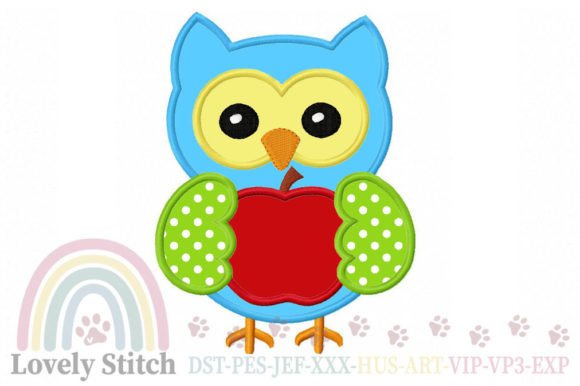
The concept behind the Owl Apple Embroidery Design is immediate and charming. By combining the owl—a universal symbol of wisdom and often associated with school—with the apple, a classic icon of learning and teaching, the design taps directly into the "Back To School" emotional trigger. From a visual standpoint, this combination feels both cute and decorative without being overly childish. It strikes a balance that appeals to parents buying gifts for children and teachers looking for personalized classroom items.
When I imagine this design hanging on a rack or sitting on a display board, it stands out because of its thematic clarity. It is not just a random animal; it tells a story. The whimsical nature of the owl suggests a playful personality, while the apple grounds the piece in tradition. This duality makes it versatile. It can feel modern and fresh if stitched with bright, contrasting threads, or it can feel rustic and farmhouse-style if paired with muted earth tones. For the Etsy seller or boutique maker, this versatility is key, as it allows you to target multiple customer segments with the same base design asset.
Product Versatility and Best Uses
In my experience, the success of any machine embroidery design depends heavily on the substrate it is applied to. The Owl Apple Embroidery Design is robust enough to handle several popular craft fair products, but some applications will yield higher sales than others.
- Tote Bags and Market Bags: This is perhaps the strongest application. A canvas tote bag embroidered with the owl and apple motif serves as a walking advertisement for your brand. The design works well as a large focal point on the front of the bag or as a smaller accent near the zipper. It photographs beautifully for online listings, conveying durability and style.
- Apron Embroidery: Teachers and home cooks alike love personalized aprons. Placing the Owl Apple Embroidery Design on the bib or pocket area adds a touch of personality to kitchen wear. Because aprons are often made of cotton or linen blends, the design holds up well against frequent washing, provided the stabilizer is used correctly.
- Tea Towel Embroidery: Kitchen towels are low-cost impulse buys at craft fairs. Using this design as a small corner accent allows you to produce these quickly in batches. The high contrast usually found in tea towel fabrics helps the thread colors pop, making the intricate details of the owl visible even from a distance.
- Embroidered Patches: If your sewing setup allows, turning this design into an iron-on patch opens up a whole new market. Students can attach these to backpacks, and teachers can use them on lanyards or portfolios. Patches allow you to experiment with different fabric textures without worrying about puckering the final garment.
- Caps and Hats: Baseball caps are a staple of handmade markets. However, curved surfaces present challenges. You must ensure the design is digitized to account for the curve of the hat brim. When done right, a cap featuring the owl and apple is a hit with students heading back to class.
- Pillow Covers and Small Pouches: For a softer aesthetic, this design looks lovely on a throw pillow for a child’s bedroom or a small fabric pouch for holding pens and pencils. These items feel premium and giftable, allowing you to price them slightly higher than basic accessories.
Photography and Online Presentation
For the digital embroidery file seller or the Etsy merchant, your printable mockup is just as important as the physical product. The Owl Apple Embroidery Design lends itself well to clean, bright photography. White or light-colored backgrounds will make the colors of the thread stand out, emphasizing the quality of the stitch work. When creating your listing images, show the design on multiple items to demonstrate its adaptability. Highlighting the texture of the embroidery against the fabric weave helps convey the handmade quality that customers are willing to pay for.
Production Practicality and Technical Considerations
Before adding this design to your commercial embroidery catalog, there are several technical factors to consider. As a professional, I never skip the test run. Here is what you need to watch out for when producing the Owl Apple Embroidery Design.
Stitch Density and Detail: Owls have expressive eyes and textured feathers, which require careful attention to stitch density. If the design is too dense, the fabric may pucker, especially on lightweight materials like tea towels. Conversely, if the details are too fine, they may get lost on thicker fabrics like denim tote bags. Inspect the digitization to ensure that tiny details remain clear. If the design includes small lettering or intricate patterns within the apple core, verify that these elements hold up at your intended hoop size.
Fabric Texture and Contrast: The choice of fabric color significantly impacts the final look. Dark fabrics can hide lighter thread colors, so you may need to use a heavier underlay or switch to brighter thread palettes. On textured fabrics, such as waffle-weave towels, the stitches may not lay flat. Always test on scrap fabric that matches the texture of your final product to avoid surprises during batch production.
Stabilizer Selection: Proper stabilization is non-negotiable for a clean finish. For woven items like aprons and tote bags, cut-away stabilizer is recommended to prevent distortion over time. For knit items or lighter fabrics, tear-away or wash-away stabilizers might be more appropriate depending on the desired hand-feel of the finished product. Using the wrong stabilizer can cause the design to shift or the fabric to pucker, ruining the professional appearance of your craft fair product.
Thread Colors and Commercial Licensing: While the design file provides the structure, the thread colors bring it to life. Experiment with complementary colors to enhance the whimsical feel. Additionally, before selling finished goods, confirm the commercial licensing terms of the digital embroidery file. Ensure you have the rights to produce and sell items made with this design, protecting your small shop from potential legal issues.
Conclusion for Craft Fair Sellers
The Owl Apple Embroidery Design is a strong contender for any maker’s repertoire. Its thematic relevance to the Back To School season, combined with its charming aesthetic, makes it a product with high appeal. Whether you are creating unique gifts, stocking your booth with trendy accessories, or expanding your line of handmade products, this design offers flexibility and visual impact.
By paying close attention to fabric selection, stabilizer usage, and production testing, you can ensure that every item leaving your booth reflects the highest standard of handmade quality. Remember, a well-executed embroidery design does more than decorate; it tells a story and creates a connection with the buyer. With the Owl Apple Embroidery Design, that story is one of learning, creativity, and care—values that resonate deeply with today’s consumers.