Grade 1 Split Colored Pencils Embroidery Review
As a designer who spends more time judging stitch density than choosing thread colors, I approach every new embroidery file with a mix of optimism and skepticism. The market is flooded with generic clipart converted into stitches, but finding a design that actually feels hand-crafted and commercially viable is rare. That is why I decided to put Grade 1 Split Colored Pencils through its paces. This isn’t just another digital asset; it is a specific aesthetic choice that speaks directly to the Back To School season, yet possesses enough charm to work year-round in the right context.
The First Impression: Hand-Drawn Authenticity
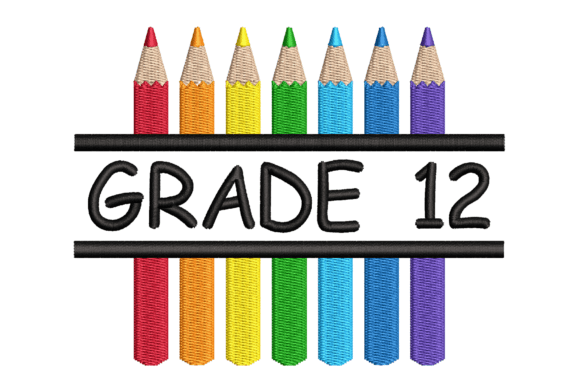
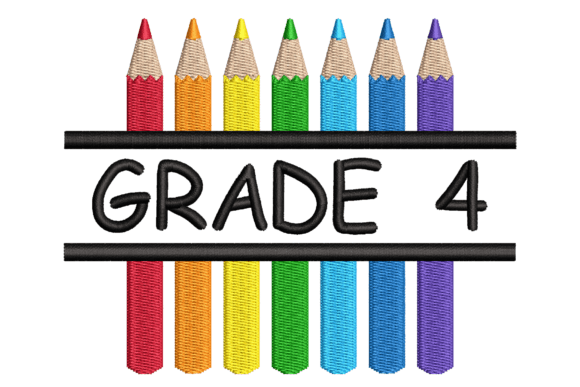
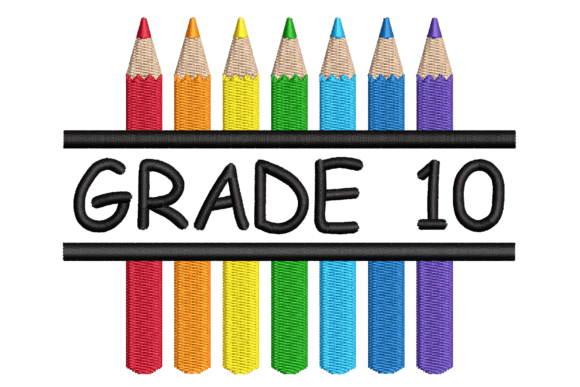
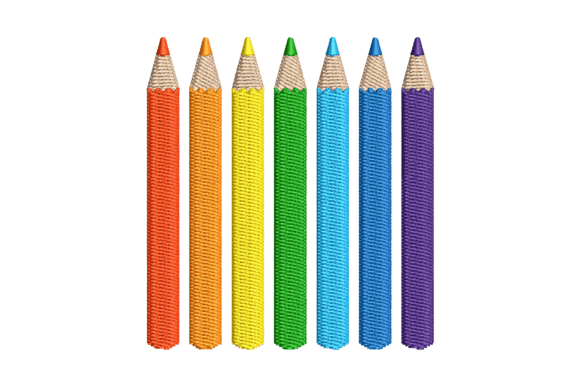
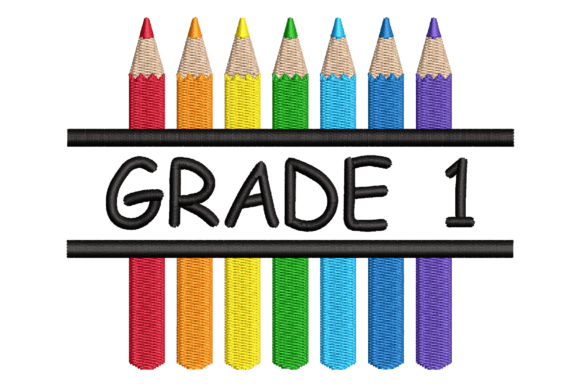
When you first load an embroidery file, your eyes are immediately drawn to the complexity of the stitch paths. With Grade 1 Split Colored Pencils, the immediate takeaway is the "hand-drawn" quality mentioned in the product description. It avoids the stiff, geometric rigidity that plagues many vector-to-embroidery conversions. Instead, the lines feel organic, mimicking the slight imperfections of actual colored pencils on paper.
This visual personality is crucial for modern branding. Customers today, especially those shopping on platforms like Etsy or visiting boutique craft fairs, can spot a mass-produced look from a mile away. They want items that feel personal. This design delivers that vibe instantly. The split-color effect—where the pencil leads appear broken or distinctively separated—adds a layer of artistic flair that suggests creativity and education without being overly literal. It creates a mood that is playful, academic, and gently nostalgic.
Real-World Application: The Custom Tote Bag Scenario
To truly evaluate this design, we have to move beyond the screen and imagine it on fabric. Let’s consider a common scenario for small business owners and hobbyists: creating a custom embroidered tote bag for a teacher appreciation gift or a back-to-school haul video.
Imagine placing Grade 1 Split Colored Pencils on the front panel of a canvas tote. Because the design is described as "cute," it pairs exceptionally well with natural fabrics like cotton, linen, or heavy-duty canvas. The visual weight of the design is moderate, meaning it won’t overwhelm the bag but will serve as a focal point. When stitched, the contrast between the thread colors and the fabric texture becomes the star. If you use a high-quality cotton twill, the satin edges of the pencil outlines will pop, giving the finished product a premium, tactile appeal.
I also envision this design thriving on smaller items where detail matters less than charm. A sweatshirt embroidery on a child’s hoodie, perhaps placed over the heart, would look incredibly cozy and appropriate for the first day of school. Similarly, on baby embroidery projects, such as a onesie or a burp cloth, the soft, rounded shapes of the pencils convey safety and gentleness, making it a strong contender for nursery decor or baby shower gifts.
Technical Performance and Stitch Clarity
From a technical standpoint, the success of any machine embroidery design relies on how well the software translates the artist’s vision into stitch commands. While exact stitch counts aren't provided in the source material, the description implies a design that balances aesthetics with wearability.
For Grade 1 Split Colored Pencils, the key to success lies in thread selection. Since the design features "split colored" elements, using variegated threads or carefully matched solid colors can enhance the illusion of multiple pencil leads. However, designers must be cautious about stitch density. If the fill stitches are too dense, the fabric may pucker, ruining the clean lines of the hand-drawn style. Conversely, if the density is too low, the underlying fabric might show through, compromising the opacity of the image.
It is highly recommended to test this design on scrap fabric before committing to a final product. Check the transition points between different thread colors. In designs featuring multiple hues, poor registration can lead to muddy visuals. Ensure that the stabilizer used matches the fabric type; for stretchy knits like t-shirts, a cut-away stabilizer is often necessary to maintain the integrity of the design during wear and washing.
Where to Use It Carefully
Not every surface is suitable for this level of detail. There are specific scenarios where Grade 1 Split Colored Pencils might struggle:
- Small Hoop Sizes: If the design contains intricate internal details, shrinking it down to fit a tiny hoop (under 4 inches) may result in lost definition. The "split" effect might blur into a single shape.
- Textured Fabrics: Heavy wools, chenille, or thick towels can obscure fine lines. The design works best on smooth surfaces where the needle can penetrate cleanly.
- Dark Fabric: Unless you use light-colored threads or add a backing layer, dark backgrounds can swallow up subtle color variations. Always test contrast.
- Curved Surfaces: Applying this to caps or hats requires careful digitizing adjustments to account for curvature. Flat-lay mockups do not always predict how the design will distort on a curved brim.
Commercial Viability and Brand Value
For the Etsy seller or small shop owner, the question is always: "Will this sell?" The answer lies in the emotional connection the design fosters. Grade 1 Split Colored Pencils taps into the universal experience of starting something new. It resonates with parents buying supplies for their children, teachers looking for classroom decor, and students wanting to personalize their gear.
Using this design in a craft business allows for versatile product lines. You can create a cohesive collection including aprons, kitchen towels, and pillow covers. The versatility extends to digital assets as well; if you offer printable mockups or design assets to other creators, this file serves as a high-quality example of thematic consistency.
Furthermore, the design enhances customer trust. A well-executed embroidery project signals attention to detail. When a buyer sees a crisp, clearly defined pencil motif on a tote bag design or a sweatshirt embroidery, they perceive higher value. It justifies a premium price point because it looks intentional and professional, rather than rushed or generic.
Practical Designer Notes for Success
To ensure your embroidery project results in a polished finished product, keep these practical tips in mind:
- Mockup Testing: Before stitching, view the design in black and white on your computer. This helps identify potential contrast issues between adjacent colors that might blend together when stitched.
- Thread Color Contrast: Experiment with thread shades that mimic the wood and lead of real pencils, or go bold with bright primary colors for a more graphic look. The right thread colors can make or break the "hand-drawn" illusion.
- Licensing Verification: Always confirm licensing terms before selling commercial embroidery items. Ensure you have the right to sell physical goods made from the file, especially if you are producing them at scale.
- Fabric Choice: Stick to stable fabrics for the best results. Avoid thin or slippery materials unless you have advanced stabilization techniques.
In conclusion, Grade 1 Split Colored Pencils is more than just a cute motif; it is a functional, aesthetically pleasing tool for any designer looking to capture the spirit of education and creativity. By understanding its strengths and limitations, you can integrate it seamlessly into your workflow, whether you are making a one-off personalized gift or building a robust line of small shop products. It stands out from the rest, offering a touch of handmade elegance that customers appreciate and remember.