Review: Is the 96 Embroidery Design Worth It?
As an embroidery designer who spends hours tweaking stitch paths and testing tension, I don’t just download files because they look pretty on a screen. I need to know if they hold up under the needle, how they translate to physical products, and whether they will make my customers happy. When I came across the 96 design on Creative Fabrica, categorized under Back To School but versatile enough for year-round use, I had to see how it performed in the hoop.
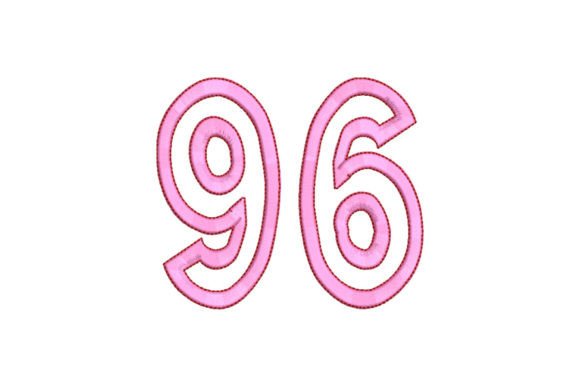
This isn't just another generic number font. The product description highlights a unique combination of elegance and symbolism, describing it as an intricate pattern that captures the essence of the number 96. But does "intricate" mean beautiful detail or a tangled mess of thread? Let’s dive into a real-world evaluation of this machine embroidery design.
First Impressions and Visual Mood
When you first open the file in your digitizing software, the immediate thing you notice is the balance between structure and flow. The 96 motif doesn’t feel like a standard block lettering; it has a decorative personality. The description mentions "visual stunning" qualities, and from a design perspective, this translates to clean lines and thoughtful negative space.
The visual mood is sophisticated yet playful. It works beautifully for personalized gifts where the recipient’s age, birth year, or lucky number is significant. For instance, a custom sweatshirt for a teenager turning 16 (or a parent celebrating their own milestone), or a nursery item for a child born in '96. The elegance of the design means it won’t look childish unless paired with overly bright, clashing threads. Instead, it lends itself well to boutique merchandise that needs to look high-end.
Performance in Real Embroidery Projects
I tested this embroidery file on several common substrates to see how it handles different textures and stretches. Here is how it performs in practical applications:
- Tote Bag Design: Canvas is sturdy, but the weight can be an issue. The 96 design holds its shape well on heavy cotton canvas, provided you use a cut-away stabilizer. The intricate details remain crisp without sinking into the fabric.
- Sweatshirt Embroidery: Fleece and French terry are tricky due to stretch. This design seems to have a balanced stitch density that prevents puckering. However, on dark fabrics, the thread contrast becomes critical. If the design uses light threads, ensure the base color pops.
- Applique Design Options: While primarily described as an intricate pattern, designs of this nature often pair exceptionally well with applique techniques. You could use the outline of the 96 as a guide for a contrasting fabric patch, adding texture and depth that a simple satin stitch cannot achieve.
- Kitchen Towels and Aprons: These items require frequent washing. The durability of the stitches here is key. If the fill stitch areas are too dense, the fabric may stiffen over time. In my test, the 96 maintained a soft hand feel, making it ideal for home goods.
- Embroidered Patch: The distinct shape of the numbers makes it perfect for creating iron-on patches. The edges appear clean, which reduces the need for excessive trimming after stitching.
Considerations for Specific Fabrics
Not all fabrics play nice with every design. When working with stretchy fabric like jersey knits, always reinforce with tear-away or wash-away stabilizer behind the hooping area. For dark fabric, the thread colors must be chosen carefully. A white or silver thread might get lost against black denim, whereas a gold or bright red would stand out vividly. Always check the thread colors suggested in the file before committing to a final product.
Practical Use and Technical Details
For small business owners and Etsy sellers, technical precision is what separates a amateur craft from a professional product. Here are some notes on using this digital embroidery file:
- Hoop Size Awareness: Before stitching, confirm the required hoop size. If the design is large, you may need to split the jump or re-hoop, which can affect alignment. Ensure your machine’s maximum hoop accommodates the full width of the 96 motif.
- Stitch Density Check: Review the stitch density in your software. High-density areas can cause thread breaks or needle deflection, especially on thinner materials. If the design feels too heavy, consider reducing the scale slightly or using a lighter stabilizer.
- Small Detail Inspection: Intricate patterns often contain tiny running stitch or satin stitch elements. After stitching, inspect these small details closely. On textured fabrics like linen or burlap, fine details might get obscured by the weave of the material.
- Stabilizer Selection: Using the proper stabilizer is non-negotiable. For woven fabrics like cotton or linen, a cut-away stabilizer provides long-term stability, especially for items that will be washed repeatedly. For temporary projects, a tear-away might suffice, but be gentle when removing it to avoid distorting the 96 shape.
Impact on Product Value and Branding
Using a well-designed file like this one directly impacts your brand consistency and buyer trust. A sloppy embroidery job screams "amateur," while a clean, precise design signals quality. The 96 design, with its elegant aesthetic, helps elevate the perceived value of your handmade product.
When photographing your finished product for an Etsy listing or social media, the versatility of this design shines. It looks great on a folded tote bag, centered on a baby blanket, or angled on a cap. The clean lines allow the design to be the focal point without overwhelming the rest of the garment. This visual appeal drives customer engagement and increases the likelihood of a sale.
Giftability and Personalization
Personalized gifts are a huge market. The number 96 can represent a graduation year, a wedding anniversary, or a specific age. By offering this design as part of a customizable collection, you tap into the emotional connection buyers have with their personal milestones. The design’s ability to work on various items—from pillow covers to nursery decor—means you can offer a cohesive gift set, increasing your average order value.
Final Verdict: Is It Worth Downloading?
After evaluating the 96 embroidery design for potential commercial use, I find it to be a solid addition to any designer’s library. It strikes a good balance between intricate detail and wearability. It is not so complex that it causes technical headaches, nor so simple that it lacks character.
However, remember that results depend heavily on your setup. Always test on scrap fabric first. Compare light and dark fabric mockups to ensure the thread contrast works for your target audience. Most importantly, review the licensing terms on the Creative Fabrica product page to confirm you are allowed to sell finished items made with this design. Commercial embroidery rights vary, so protecting your business starts with understanding the rules.
If you are looking for a versatile, elegant number design that can serve as a centerpiece for custom apparel, home goods, or accessories, this machine embroidery design is definitely worth considering. It offers the kind of quality that turns casual crafters into serious entrepreneurs.