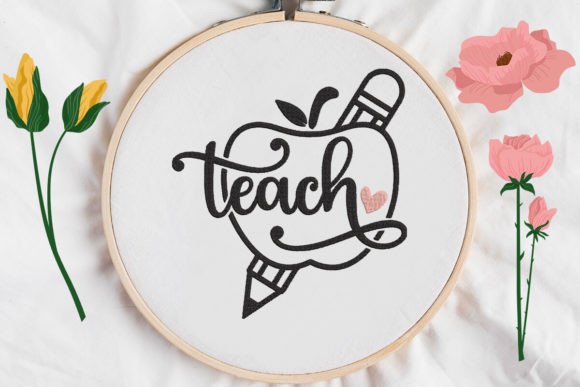
Teach, Apple and Pencil Embroidery Review
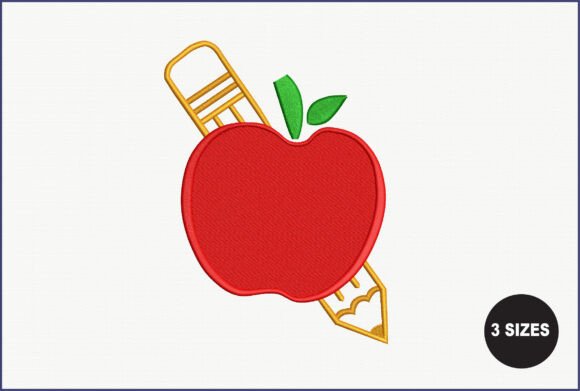
As an embroidery designer who spends hours agonizing over stitch direction and thread sheen, I am always on the hunt for designs that balance professionalism with charm. When browsing Creative Fabrica embroidery collections for my upcoming seasonal line, I stumbled upon a piece that immediately caught my eye: the Teach, Apple and Pencil design. It is not just another clip-art style graphic; it feels like a thoughtfully constructed machine embroidery design ready for real-world application.
I have been planning a small collection of boutique apparel focused on educators, and this specific file seemed tailor-made for that niche. Below is my professional review of how this design might perform on various garments, from heavy cotton blends to delicate fleece hoodies, and what you need to consider before adding it to your production queue.
First Impressions: Visual Personality and Mood
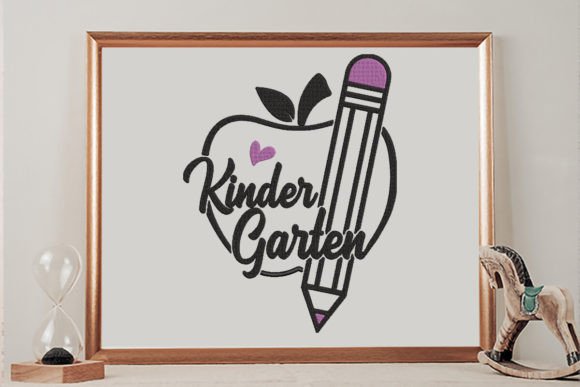
The moment I opened the preview of the Teach, Apple and Pencil embroidery file, the visual personality struck me as playful yet grounded. The composition brings together three iconic symbols of education, but the execution avoids looking childish. Instead, it leans into a classic, slightly rustic aesthetic that works beautifully for adult-oriented apparel.
In terms of decorative strength, the design relies on clean lines and distinct shapes rather than overwhelming complexity. This makes it feel premium. It does not scream for attention with neon colors or chaotic patterns; instead, it offers a quiet confidence that suggests quality. For a boutique brand, this subtlety is crucial. You want your customers to appreciate the detail when they look closer, not be intimidated by it from across the room. The mood is undeniably back-to-school, but it transcends the typical elementary school vibe, making it suitable for university professors, college tutors, and lifelong learners alike.
Application on Boutique Apparel and Sweatshirts
My primary goal was to see how this machine embroidery design would translate onto actual garments. Here is where the rubber meets the road for any Etsy seller or small shop owner.
Sweatshirt Embroidery and Hoodie Design
Sweatshirt embroidery is a staple of the handmade product market, but it presents unique challenges due to fabric thickness and stretch. The Teach, Apple and Pencil design appears to have a balanced stitch density that should hold up well against the bulk of a French terry hoodie. I envision this placed on the left chest of a neutral oatmeal or heather grey sweatshirt. The contrast between the textured fabric and the smooth stitches of the apple and pencil would create a lovely tactile experience for the wearer.
For a hoodie design, placement is key. While the standard chest placement is safe, this design’s vertical elements (the pencil) might lend themselves well to a center-back neck drop or even a small sleeve accent. A tiny version on the cuff could add a whimsical touch without cluttering the main silhouette. However, one must be cautious with dense stitch areas on stretchy knit fabrics to prevent puckering.
T-Shirt Embroidery and Denim Jackets
When considering t-shirt embroidery, particularly on 100% cotton tees, the design’s clean outlines will pop. I recommend using high-contrast thread colors; a crisp white apple on a navy tee or a deep red pencil on a cream shirt. The design’s simplicity allows it to work on dark garments without needing excessive underlay stitches that might stiffen the fabric.
Denim jackets are having a major moment in the custom apparel space. The rugged texture of denim pairs exceptionally well with the rustic feel of this design. Placing the Teach, Apple and Pencil motif on the back yoke of a cropped denim jacket would create a standout piece for the classroom teacher who wants to express her profession with style rather than a slogan.
Expanding Beyond Apparel: Tote Bags and Accessories
While apparel is the focus, the versatility of this embroidery file extends to accessories. Tote bag design is a natural fit. Canvas totes provide a stable, flat surface that minimizes shifting during the hooping process. The educational theme resonates strongly with students and teachers who carry books and laptops daily. A well-executed embroidered apple on a canvas tote adds a layer of durability and perceived value that printed graphics cannot match.
This also opens doors for lifestyle product photos. Imagine a flat-lay image featuring a cozy sweater, a pair of glasses, and the embroidered tote bag. These visuals are essential for printable mockups and social media graphics that drive traffic to your online store.
Practical Designer Notes for Production
Before you rush to produce a batch of finished products, there are several technical considerations every embroiderer must address. My experience dictates that skipping these steps often leads to wasted time and materials.
- Test on Scrap Fabric: Always run a test stitch-out on a scrap piece of the exact fabric you intend to use. Fleece behaves differently than cotton jersey, and you need to see how the stitch density interacts with the nap of the material.
- Check Stabilizer Choice: The choice of stabilizer is critical. For stretchy knit hoodies, a cut-away stabilizer is usually non-negotiable to maintain shape wash after wash. For woven tote bags, a tear-away might suffice, but a water-soluble top stabilizer can help keep the thread tension even on textured surfaces.
- Review Thread Color Contrast: Ensure your chosen thread colors provide enough contrast against the garment. Low-contrast combinations can get lost in the fabric texture, diminishing the impact of the design.
- Confirm Hoop Size: Verify that the bounding box of the design fits within your available hoop size. If the design is large, you may need to reposition the garment mid-stitch or choose a larger hoop to accommodate the full width.
- Inspect Stitch Density: Look closely at the digitization. Areas with too much fill stitch on thin fabric can become stiff and uncomfortable. The Teach, Apple and Pencil design seems moderate, but checking the density map is a wise precaution.
Strategic Value for Your Brand
Using a high-quality commercial embroidery asset like this can significantly affect your brand identity. Consistency in quality builds buyer trust. When a customer receives a garment where the embroidery lies flat, the colors are vibrant, and the details are sharp, they are more likely to leave positive reviews and return for future purchases. This small shop product has the potential to become a bestseller if marketed correctly, especially during the August and September seasons.
Furthermore, a well-designed digital embroidery file enhances your custom apparel offerings. It allows you to position your shop as a provider of thoughtful, detailed goods rather than generic merchandise. This distinction is vital for standing out in crowded marketplaces like Etsy.
Areas for Careful Execution
While this design is versatile, there are places where you should exercise caution. Avoid placing dense embroidery on ribbed fabric, such as collars or cuffs, unless you are experienced with stabilizing those curved surfaces. The curvature can cause the needle to strike incorrectly or the fabric to pucker. Similarly, be mindful of small chest placements on oversized garments; if the logo is too small relative to the garment size, it can look disproportionate. Always inspect the area around the design for wrinkles or seams that might interfere with the hoop’s grip.
Final Thoughts
The Teach, Apple and Pencil design is a strong contender for any educator-focused collection. Its classic appeal, combined with practical usability on a range of fabrics, makes it a smart investment for creative entrepreneurs. However, success lies in the preparation. Confirm all Creative Fabrica product details and licensing terms before selling your finished apparel. Test your stabilizers, check your tensions, and respect the fabric.
By treating this embroidery design with the same care you would a custom digitized piece, you can create a cohesive, professional line that resonates with teachers and students alike. It is a reminder that sometimes, the simplest symbols—like an apple and a pencil—carry the most weight when executed with skill and intention.