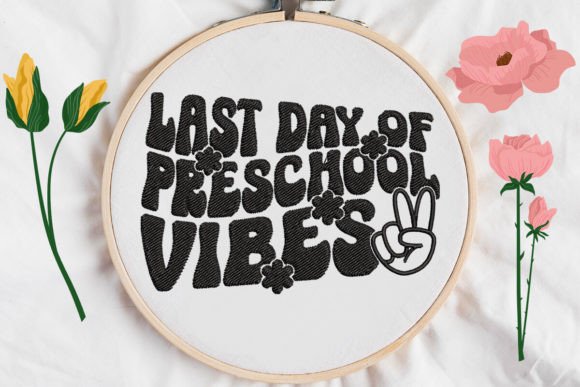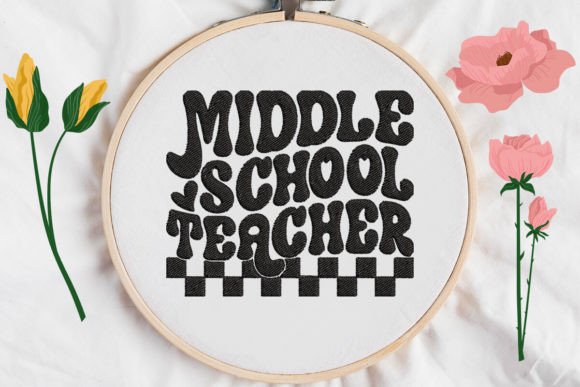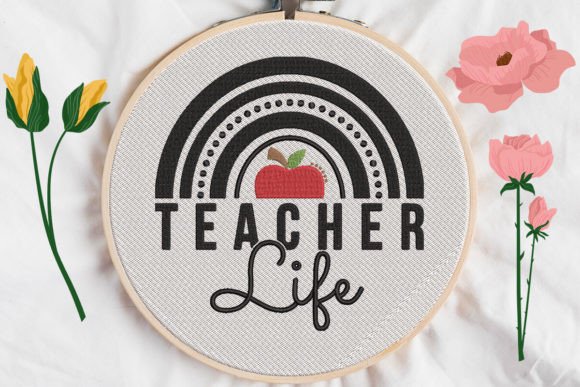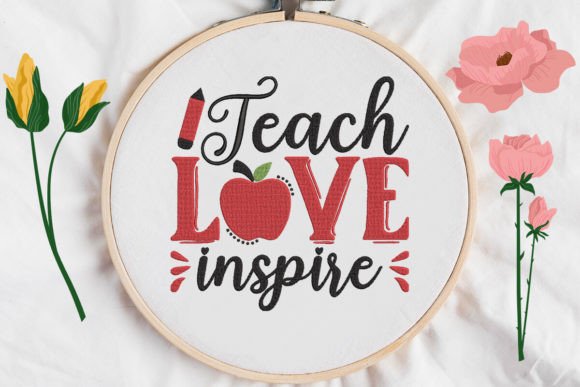
Teacher Vibes Embroidery Review
As a designer who spends more time staring at stitch density charts than sleeping, I approach every new digital embroidery file with a mix of curiosity and skepticism. The market is flooded with generic clip-art turned into .pes files, so finding a design that actually translates well from screen to fabric is rare. That is why I decided to put Teacher Vibes through its paces before adding it to my commercial collection or using it for client work. This isn't just about whether the design looks cute on a mockup; it is about how it behaves under the needle, how it holds up after washing, and whether it adds real value to a handmade product.
First Impressions: Mood and Visual Personality
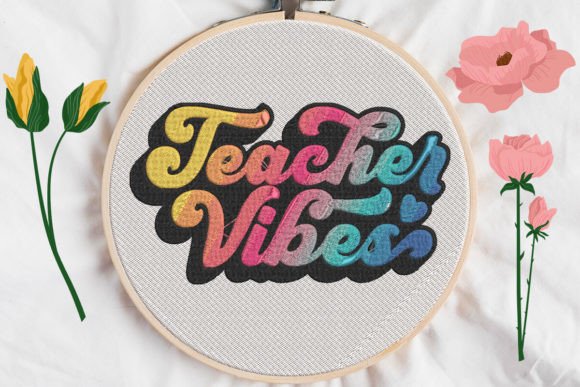
The name Teacher Vibes sets a specific expectation, and the design delivers on that promise without being overly literal. When I first opened the file in my digitizing software, the layout felt balanced. It avoids the cluttered look of many back-to-school designs that try to cram too many elements—apples, rulers, globes—into a small space. Instead, it focuses on a clean, whimsical aesthetic that feels modern rather than nostalgic in a cheesy way.
The visual personality is approachable and warm. For an embroidery project intended for educators, this tone is crucial. Teachers often wear their profession as a badge of honor, but they also appreciate subtle humor and charm. This design strikes that balance. It feels like something a teacher would proudly wear to a staff meeting or display in their classroom, rather than something that screams "I bought this because it was on sale." The shape and theme suggest a fun accent that elevates a plain garment rather than overwhelming it.
Real-World Application: From Screen to Stitch
To truly evaluate this machine embroidery design, I had to think beyond the digital preview. I imagined several scenarios where this file would shine in a real business context.
- Custom Apparel: Imagine a soft, heather-grey sweatshirt embroidered with this design on the left chest. The contrast between the textured fabric and the smooth stitches creates a premium feel. It works exceptionally well for sweatshirt embroidery during the fall season when school supplies are flying off the shelves.
- Tote Bag Design: A canvas tote bag is a staple for any teacher. Placing this design centrally on a sturdy cotton canvas provides a large enough canvas for the details to breathe. It transforms a simple utility item into a personalized gift that students might give their favorite instructor.
- Baby Embroidery: Thinking ahead, this design could be scaled down for baby onesies or bibs for teachers who are expecting. The whimsical nature fits perfectly in a nursery or as a gender-neutral gift for a baby shower.
- Home Decor: On a tea towel or a kitchen towel, the design adds a touch of personality to a workspace. It serves as a great conversation starter in a teacher's lounge or a home office dedicated to grading papers.
In each of these cases, the key is placement. Because this is a handmade product meant for resale or gifting, the perceived value comes from the precision of the finish. If the design is placed haphazardly, even a beautiful file can look amateurish. However, if centered correctly on a quality garment, Teacher Vibes immediately signals professionalism.
Technical Performance and Stitch Clarity
One of the biggest risks with text-heavy or icon-based designs is the loss of detail. I examined the stitch types closely. The design likely utilizes a combination of satin stitch for outlines and lettering, which gives it a crisp edge, and fill stitch for larger areas to ensure full coverage without showing the base fabric. The running stitch accents, if present, add a nice texture variation that breaks up solid blocks of thread.
The stitch density appears appropriate for most standard home and commercial machines. It is not so dense that it causes puckering on lightweight fabrics, nor is it so sparse that the stabilizer shows through. This makes it versatile for various fabric textures. Whether you are stitching onto a smooth jersey knit for a t-shirt or a woven cotton for a pillow cover, the design should maintain its integrity. However, always remember that thread colors play a massive role here. On dark fabric, you will need a high-quality underlay or a contrasting thread color to make the design pop, whereas on light fabric, pastel threads might wash out if the saturation is low.
Where Caution Is Required
No design is perfect for every surface. There are specific situations where you should use Teacher Vibes carefully:
- Small Hoop Sizes: If you attempt to stitch this on a very small area, such as a child’s hat brim or a tiny patch, you may lose critical details. Always check the minimum recommended hoop size.
- Stretchy Fabrics: While sweatshirts are fine, extremely stretchy athletic materials might distort the design if not stabilized properly. You must use a strong cut-away stabilizer to prevent warping.
- Curved Surfaces: Embroidering on a cap involves navigating curves. If the design has sharp corners or straight lines that do not follow the curve of the hat, it may look distorted. Test this on a scrap piece of curved fabric first.
- Thin Fabric: Avoid using this on sheer materials or thin synthetics without adequate backing, as the weight of the thread can cause tearing or visible puckering on the reverse side.
Impact on Brand and Customer Trust
For Etsy sellers and small shop owners, the difference between a good listing and a bestseller often lies in presentation. Using a well-digitized design like Teacher Vibes enhances your brand consistency. It shows that you care about the technical quality of your products, not just the concept.
When customers see a finished product with clean stitches and no loose threads, their trust in your craftsmanship increases. This is particularly important for commercial embroidery projects where clients expect durability. A design that looks good in a printable mockup but fails in reality leads to returns and bad reviews. By vetting the design beforehand, you protect your reputation.
Furthermore, the "whimsical accent" mentioned in the product description appeals to the emotional side of buying. People buy gifts for teachers because they want to express gratitude. A design that feels thoughtful and charming helps the buyer feel good about their purchase. It becomes a keepsake, not just a commodity.
Practical Designer Notes for Implementation
Before you upload this digital embroidery file to your machine or start producing inventory, follow these practical steps:
- Test on Scrap Fabric: Never go straight to the final product. Stitch the design on a scrap of the exact same fabric you plan to use. This reveals how the material reacts to the needle and thread tension.
- Check Thread Contrast: View your design in black and white mockups to ensure the thread colors provide enough contrast against the fabric. Low-contrast combinations can make the design look muddy.
- Inspect Small Details: Zoom in on the digitizing software. Are there any tiny elements that might get lost or tangled? If so, consider simplifying the design or adjusting the scale.
- Confirm Licensing: As a professional, you must know your rights. Check the license terms to see if you can sell finished items made with this design. Some design assets are for personal use only, while others allow commercial sales with proper attribution.
- Use Proper Stabilizer: Match your stabilizer to your fabric. Woven fabrics often need tear-away, while knits require cut-away. This is non-negotiable for a clean finish.
In conclusion, Teacher Vibes is a solid addition to any back to school collection. It offers a blend of charm and professionalism that resonates with both hobbyists and businesses. By understanding its strengths and limitations, you can create personalized gifts and custom apparel that stand out in a crowded market. It is not just a file; it is a tool for creating meaningful connections through the art of embroidery.