Crayons Embroidery Design Review
As an embroidery designer who spends hours evaluating files for both personal projects and client work, I have learned to look past the digital preview. A file can look perfect on a screen but fail miserably under the needle. That is why I always test designs in real-world scenarios before recommending them. Today, I am taking a close look at Crayons, a machine embroidery design that promises to bring an artistic, hand-drawn vibe to your next project. This review focuses on practical application, visual appeal, and how this design holds up when stitched into tangible products like custom apparel, tote bags, and nursery decor.
First Impressions: Mood and Visual Personality
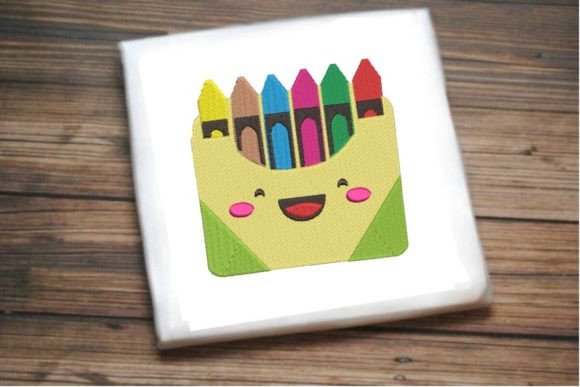
The moment you open the file for Crayons, the intent is clear. It is not just a generic icon; it carries the charm of something hand-drawn by an artist. The design evokes a sense of creativity, nostalgia, and playful energy. For designers targeting the Back To School market, this mood is invaluable. It speaks directly to parents looking for personalized gifts for their children and crafters wanting to create items that feel warm and handmade rather than mass-produced.
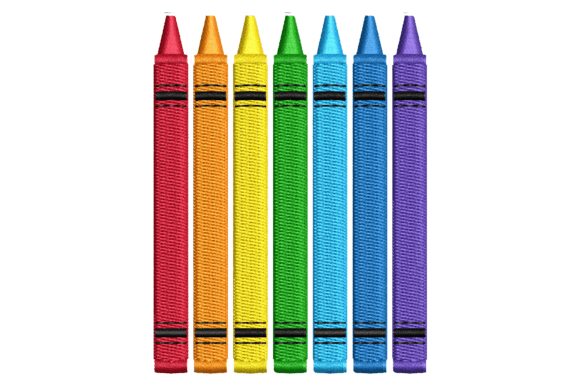
The layout feels balanced, with shapes that suggest the familiar form of crayons without being overly literal or cartoonish. This subtlety is what makes it versatile. It works equally well as a standalone statement piece on a large canvas or as part of a clustered arrangement on smaller items. The visual personality is approachable, making it suitable for a wide range of audiences, from toddlers to creative adults who appreciate stationery-themed aesthetics.
Real-World Application: Where Crayons Shines
When evaluating any embroidery file, I ask myself: "What product does this naturally belong to?" For Crayons, the answer is almost immediate. It is tailor-made for the custom apparel and personalized gift markets. Here is where I see this design performing best:
- Tote Bags: This is perhaps the strongest use case. A tote bag design featuring Crayons instantly signals creativity and utility. Whether used for school supplies, art class materials, or everyday errands, the design adds a touch of whimsy that elevates a basic canvas bag into a boutique-style accessory.
- Sweatshirt Embroidery: Soft cotton fleece provides an excellent surface for stitching. Placing Crayons on the chest or back of a sweatshirt creates a cozy, nostalgic look. The design’s color palette likely pops against heathered or solid-colored fabrics, making it a standout piece for fall fashion.
- Baby Embroidery: Nursery decor and baby clothes benefit greatly from soft, playful themes. Crayons fits perfectly on onesies, bibs, or muslin blankets. It suggests growth, learning, and creativity, which are powerful emotional hooks for new parents shopping for personalized gifts.
- Applique Design Potential: While primarily a stitch-based design, the clean lines of Crayons make it a candidate for hybrid techniques. If you incorporate an applique design element, such as fabric backing behind the crayon shapes, you can add texture and depth that pure thread cannot achieve alone.
- Embellished Patches: For those selling on Etsy or at craft fairs, turning this design into an embroidered patch is a smart move. The distinct shape allows for easy appliqué backing, creating a durable badge that can be sewn onto denim jackets, backpacks, or beanies.
Performance Under the Needle
A design’s beauty means little if it does not stitch well. When reviewing Crayons, we must consider how different stitch types interact with the fabric. Designs with varied line weights often rely on a combination of satin stitch for outlines and fill stitch for coloring, potentially accented by running stitch for details like crayon tips or labels.
In my experience, designs with hand-drawn aesthetics require careful attention to stitch density. If the density is too high, the fabric may pucker, especially on lightweight materials like t-shirts or thin tote canvas. Conversely, if it is too sparse, the design may lack definition. You should always inspect the small details in the file—such as the text or fine lines—to ensure they will remain legible after stitching. Testing on scrap fabric is non-negotiable here. It allows you to adjust tension and stabilize the fabric appropriately before committing to your final product.
Where to Use Caution
No design is universal, and Crayons has specific limitations based on its style and structure. There are several scenarios where you should proceed with care:
- Small Hoop Sizes: If the design includes intricate details or multiple elements, attempting to fit it into a very small hoop (like 4x4 inches) might result in lost detail. Ensure the hoop size accommodates the full design width and height comfortably.
- Textured or Stretchy Fabrics: While cotton blends work well, highly textured fabrics like bouclé or very stretchy knits can distort the hand-drawn lines. On stretchy fabrics, the stabilizer choice becomes critical to prevent shifting during digitization.
- Dark Fabric Backgrounds: If the design relies on light thread colors for contrast, stitching it on dark fabric may require a heavy underlay or white backing thread. Without proper preparation, the design may look muddy or lack vibrancy.
- Curved Surfaces: Applying this design to caps or hats requires careful positioning. The flat, artistic nature of Crayons might not conform well to extreme curves unless the digitizer has accounted for 3D puff effects or curved stitching paths.
- Frequent Washing: For items like kitchen towels or aprons that undergo rigorous washing cycles, ensure the design uses robust stitch patterns. Delicate running stitch accents may fray over time if not properly secured.
Impact on Product Value and Branding
For Etsy sellers and small shop owners, the quality of your embroidery directly impacts customer trust and perceived value. A poorly executed design can make a handmade product look cheap, while a well-stitched one signals professionalism. Crayons, with its artistic flair, helps elevate the brand image. It suggests that the maker cares about aesthetics and detail.
Furthermore, this design enhances brand consistency for businesses focused on education, art supplies, or children’s goods. Using a cohesive theme like Crayons across multiple products—such as matching printable mockups, tags, and actual embroidered items—creates a recognizable identity. Buyers engage more deeply with brands that tell a story, and this design tells a story of creativity and hands-on learning.
Practical Designer Notes for Success
To get the most out of Crayons, follow these practical steps before starting your production run:
- Test on Scrap Fabric: Always stitch a sample on the exact fabric you plan to use. Check for puckering, thread breaks, and color accuracy.
- Check Thread Color Contrast: Review the recommended thread colors against your fabric. High contrast usually yields better results, but low contrast can offer a subtle, tonal look if done intentionally.
- Inspect Small Details: Zoom in on the digital file. Are the tiny details (like crayon branding or shading) too small to stitch clearly? If so, consider simplifying or resizing the design.
- Use Proper Stabilizer: Match your stabilizer to your fabric weight. Cut-away stabilizers are generally safer for woven fabrics like tote bags, while tear-away may suffice for stable knits.
- Verify Licensing: Before selling finished items or using the design in commercial embroidery projects, confirm the licensing terms. Some files are for personal use only, while others allow commercial sales of physical goods.
- Create Black and White Mockups: Convert your design to black and white in your editing software. This helps you assess the balance and composition without the distraction of color.
Ultimately, Crayons is a charming, versatile addition to any embroidery library. It bridges the gap between playful nostalgia and professional design execution. By understanding its strengths and limitations, you can create stunning handmade products that resonate with customers and stand the test of time. Whether you are preparing for the busy Back To School season or adding a creative touch to your craft business inventory, this design offers a reliable foundation for success.