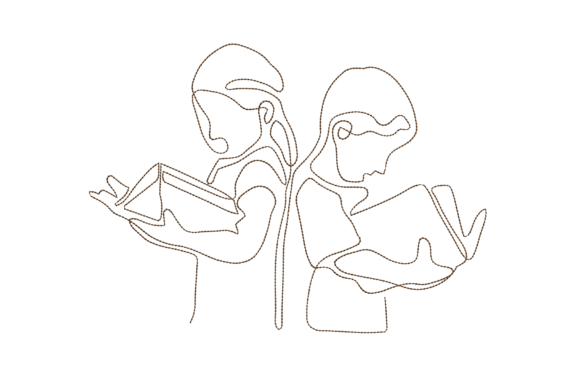
Review: Children Reading Embroidery Design for Merch
As an experienced embroidery designer, I spend a significant amount of time evaluating digital files before recommending them to clients or using them in my own small business product lines. The market for small business merch is saturated, and standing out requires more than just a pretty image; it requires technical precision, brand alignment, and versatility. Today, I am reviewing the Children Reading machine embroidery design. At first glance, this lightweight stitching design appears to be a wonderful motivational piece for reading enthusiasts, but does it hold up under the scrutiny of commercial production?
This review focuses on how Children Reading performs as an embroidered patch, a chest logo accent, a cap design, or a branded add-on for items like tote bags, aprons, and uniforms. We will look at its visual personality, practical application, and the specific considerations every embroiderer must make before hitting the start button.
First Impressions and Visual Personality
When you load the Children Reading embroidery file into your digitizing software, the immediate takeaway is its approachability. The title suggests a narrative—children engaged in the act of reading—which inherently carries themes of education, growth, curiosity, and community. Visually, the design likely avoids heavy, dense fills in favor of a lighter stitch pattern, which aligns with the description of it being a "lightweight stitching design."
For a brand identity rooted in warmth and accessibility, this design works well. It feels handmade, friendly, and slightly rustic rather than corporate or overly sleek. If you are running a boutique bookstore, a local library gift shop, a children’s educational toy brand, or a cozy café that hosts storytime events, Children Reading fits seamlessly into that aesthetic. It projects professionalism without being stiff, making it an excellent choice for custom apparel that aims to connect emotionally with customers.
Real-World Business Applications
The true test of any digital embroidery file is its versatility across different mediums. Here is how Children Reading translates to real-world products:
- Embroidered Patches: This design is ideal for creating iron-on or sew-on patches. Because it is lightweight, it won’t feel bulky on the back of a denim jacket or a canvas backpack. Small businesses often use these patches as collectible items or loyalty rewards.
- Tote Bag Design: A classic canvas tote is a staple for handmade product sellers. Placing Children Reading centrally or on the side pocket adds a literary charm that appeals to book lovers and students alike.
- Apron Embroidery: For bakeries, florists, or craft studios that emphasize community learning, this design on an apron signals care and attention to detail. It softens the utility wear while maintaining a clean look.
- Cap Embroidery: If the design elements are compact enough, it can work as a front-center logo on baseball caps or beanies. However, curvature and size constraints must be considered (see below).
- Staff Uniforms: Libraries, schools, and educational centers can use this for staff shirts. It builds brand identity by visually communicating the organization’s mission to promote literacy.
- Product Packaging Accents: Subtle embroidery on hang tags or garment labels featuring this motif adds a premium touch to finished product presentation.
Where to Use It Carefully: Technical Constraints
Not every design fits every surface. As a designer, I advise caution in the following scenarios when using Children Reading:
- Small Patch Sizes: If you plan to reduce this design to fit on a tiny badge or a small label, inspect the fine details. Lightweight designs sometimes lose definition when scaled down too far. Ensure the thread colors maintain contrast against the fabric.
- Curved Surfaces: While caps and sleeves are popular, complex curves can distort linear elements. Test the design on a curved hoop to ensure the text (if any) remains legible and the imagery doesn’t stretch unnaturally.
- High Stitch Density Areas: Although described as lightweight, check the density map. If there are areas of tight satin stitching, they may pucker on thin fabrics like jersey or silk. Always use the proper stabilizer to support the fabric during stitching.
- Dark Uniforms: If embroidering on dark-colored workwear, ensure the thread palette offers sufficient contrast. Light threads may disappear, requiring a cut-away stabilizer or a base layer of contrasting fabric.
- Frequent Washing: For items that undergo industrial laundering, such as cafe aprons or school uniforms, verify that the design structure is durable. Loose threads or large open spaces may snag. Reinforce edges if necessary.
Impact on Brand Identity and Customer Trust
In the world of e-commerce and physical retail, visual consistency is key. Using a cohesive set of design assets helps customers recognize your brand instantly. Children Reading contributes to a brand narrative that values education, mindfulness, and community. When a customer sees this design on a tote bag or a hat, it triggers an emotional association with positive values.
This emotional connection boosts customer trust and engagement. It suggests that the business cares about more than just profit—it cares about culture and learning. For Etsy sellers and independent creators, this storytelling aspect can justify a higher price point, as the product feels more curated and meaningful than mass-produced generic goods.
Practical Notes for the Embroidery Designer
Before committing to a production run, follow these essential steps to ensure quality:
- Test in Black and White: Print the design layout in grayscale to check composition and balance. This helps identify spacing issues between elements.
- Check Hoop Size: Confirm the maximum dimensions of the design. Ensure it fits comfortably within your standard hoop sizes (e.g., 4x4, 5x7, 10x10 inches) to avoid unnecessary re-digitizing.
- Thread Color Contrast: Select thread colors that pop against your target fabric. Use a printable mockup to visualize the final result before spending time and materials.
- Inspect Spacing: Look closely at the gaps between stitches. Are they too wide? Will the fabric show through excessively? Adjust if needed.
- Test on Real Fabric: Never assume a design will look good on paper. Stitch it out on the actual fabric type you intend to sell. Note how the fabric texture interacts with the stitches.
- Use Proper Stabilizer: Match the stabilizer to the fabric weight. A lightweight design on a heavy towel still needs adequate support to prevent shifting.
- Create a Client Mockup: If selling custom orders, provide a digital proof showing the design on the actual product. This manages expectations and reduces returns.
- Compare Assets: Place Children Reading beside your other logos or designs. Does it clash? Does it complement? Consistency strengthens your brand.
- Confirm Commercial Licensing: Most importantly, verify the license terms. Ensure you have the right to use this machine embroidery design for commercial merchandise. Do not proceed without explicit permission.
Final Verdict
The Children Reading design is a strong candidate for small business owners looking to add a touch of warmth and motivation to their product lines. Its lightweight nature makes it versatile for various applications, from embroidered patches to tote bag design accents. However, success depends on careful execution—paying attention to stitch density, fabric choice, and licensing.
By treating this design as a strategic brand asset rather than just a decorative element, you can create high-quality, engaging merchandise that resonates with your audience. Whether you are preparing for Back To School sales or year-round commercial embroidery projects, Children Reading offers a charming foundation for building a memorable brand presence. Always test thoroughly, prioritize quality, and let your brand story guide your design choices.