School Vibes, Heart Made of Objects
As an embroidery designer who spends more time in the studio than at the craft fair booth, I know that a design’s success isn’t just about how it looks on a screen. It is about how it performs under the needle and, more importantly, how it catches the eye of a passerby at a busy weekend market. When I first reviewed the School Vibes, Heart Made of Objects Embroidery Design, my immediate thought was not just about aesthetics, but about its commercial viability for handmade sellers. This piece has the potential to be a standout item in the Back To School category, provided it is executed with the right technical care.
First Impressions: The Visual Hook
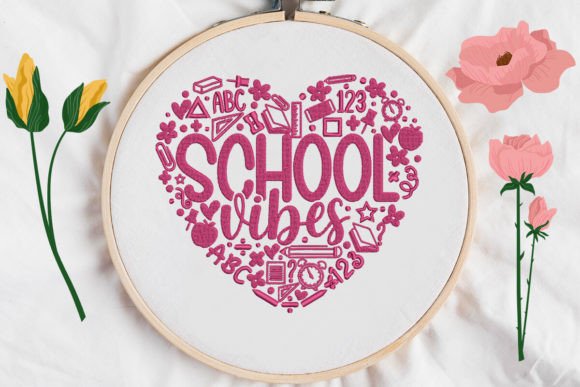
The concept behind School Vibes, Heart Made of Objects is inherently charming. By constructing a heart shape out of various school-related items—likely pencils, books, apples, or rulers—the design taps into nostalgia while remaining fresh and modern. For a craft fair seller, this duality is crucial. Parents want something cute for their children, but they also want a product that feels premium and well-made. This design strikes a balance between playful and decorative. It does not feel overly childish, which allows it to appeal to older students and even teachers looking for personalized gifts. The visual weight of the "heart" structure ensures that the design reads clearly from a distance, a critical factor when customers are walking past your table amidst dozens of other vendors.
Product Application: Where It Shines
Not every embroidery file translates equally well across all products. Based on the description, School Vibes, Heart Made of Objects is versatile, but some applications will yield higher sales velocity than others. Here is where I see the best opportunities for this machine embroidery design:
- Tote Bags: A classic choice for back-to-school shopping. Placing this design on a sturdy canvas tote bag creates an instant tote bag design staple. The heart motif adds a personal touch that mass-produced bags lack. Ensure you use a high-quality cotton canvas to support the stitch density without puckering.
- Aprons and Tea Towels: For the home decor crowd, this design works beautifully as apron embroidery or tea towel embroidery. Imagine a teacher receiving a personalized apron with this heart motif—it bridges the gap between utility and sentiment. The soft fabric of tea towels can highlight the thread colors effectively, making the design pop.
- Embroidered Patches: If the design includes a clean edge or if you plan to add one, converting this into an embroidered patch is a smart move. Patches can be ironed or sewn onto backpacks, denim jackets, or caps, expanding the reach of your craft fair product line beyond ready-to-wear items.
- Pillow Covers and Small Pouches: These items serve as excellent gift bundles. Pairing a small pouch with a larger pillow cover featuring the same design creates a cohesive brand look. It encourages buyers to purchase multiple items, increasing your average order value.
Production Practicality and Technical Considerations
Before committing to batch production, any serious Etsy seller or boutique maker must evaluate the technical aspects of the digital embroidery file. While the specific stitch count and hoop size are not detailed in the product description, you must verify these details before printing labels. Designs composed of many small objects (like individual pencils or apples) often have dense stitching areas. High stitch density can lead to fabric distortion if not managed correctly.
Here are the essential steps to ensure quality:
- Test on Scrap Fabric: Never run a full production run without testing the embroidery file on the exact fabric you intend to sell. Check how the threads interact with the material. Does the fabric texture interfere with the fine details of the small objects within the heart?
- Stabilizer Selection: Depending on the fabric, you may need cut-away stabilizer for stability or tear-away for lighter materials. Incorrect stabilizer choice is the number one cause of puckering in finished products.
- Thread Contrast: The design relies on the distinction between the various objects. Ensure your thread colors provide enough contrast against the base fabric. On dark fabrics, you may need a heavier underlay or a different color palette to maintain clarity.
- Hoop Size Verification: Confirm the recommended hoop size matches your machine. If the design is large, it might require a multi-hooping process, which increases production time. For a fast-turnaround craft fair booth, simpler designs that fit in a single hoop are often more profitable.
Selling Strategy: From Booth to Online Listing
Visual appeal drives sales. When photographing your finished product for online listings or social media, focus on the texture and detail of the embroidery. Close-up shots of the "objects" within the heart will show customers the craftsmanship involved. This attention to detail justifies a higher price point compared to printed goods.
For your physical booth display, consider creating a "lifestyle" setup. Instead of just stacking tote bags, hang them on a rack with a few aprons draped over mannequins or hooks. Use lighting that highlights the sheen of the embroidery threads. The goal is to make the handmade product feel tactile and desirable. Customers should be able to imagine using the item in their daily routine, whether it is carrying groceries or cooking dinner.
Additionally, think about cross-selling. If you offer printable mockups or design assets alongside the physical goods, you cater to the DIY community. However, if you are selling the physical items, ensure you have confirmed your commercial embroidery licensing. Selling finished goods made from purchased designs usually requires a commercial license, which protects your business and respects the creator’s rights.
Final Verdict for Craft Fair Sellers
School Vibes, Heart Made of Objects is a strong candidate for the Back To School season. Its thematic relevance, combined with a universally appealing heart shape, makes it a safe yet stylish choice for small shop product lines. It works well as a focal point on larger items like totes and pillows, and potentially as a smaller accent on accessories. The key to success lies in execution: choose the right fabric, manage the stitch density, and present the final product with pride. By paying attention to these details, you can transform a simple embroidery design into a best-selling item that resonates with customers and builds your brand reputation.
Remember, the most successful handmade businesses are built on consistency and quality. Test this design thoroughly, create at least one real mockup to inspect the spacing and detail, and then bring it to your next craft fair with confidence. Your customers will appreciate the care and creativity that goes into every stitch.